Skip to content

Free Shipping on orders $500!

2mm Aluminium Kits - NOW AVAILABLE

Frequently Asked Questions

What's the difference between this 2mm Ember Guard and your standard 4mm mesh?
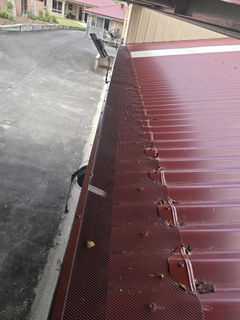
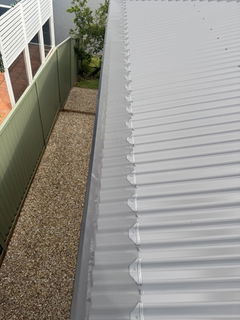
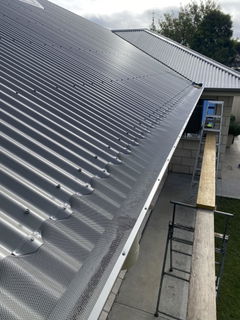
The 2mm x 2mm aperture is the fire-rated choice: it stops wind-borne embers plus finer debris, where our 4mm range (3mm x 4mm aperture) is built for leaves, twigs, birds and mice. If bushfire and ember protection is your priority, the 2mm Ember Guard is the one you want.
How do I install it in a tile valley?
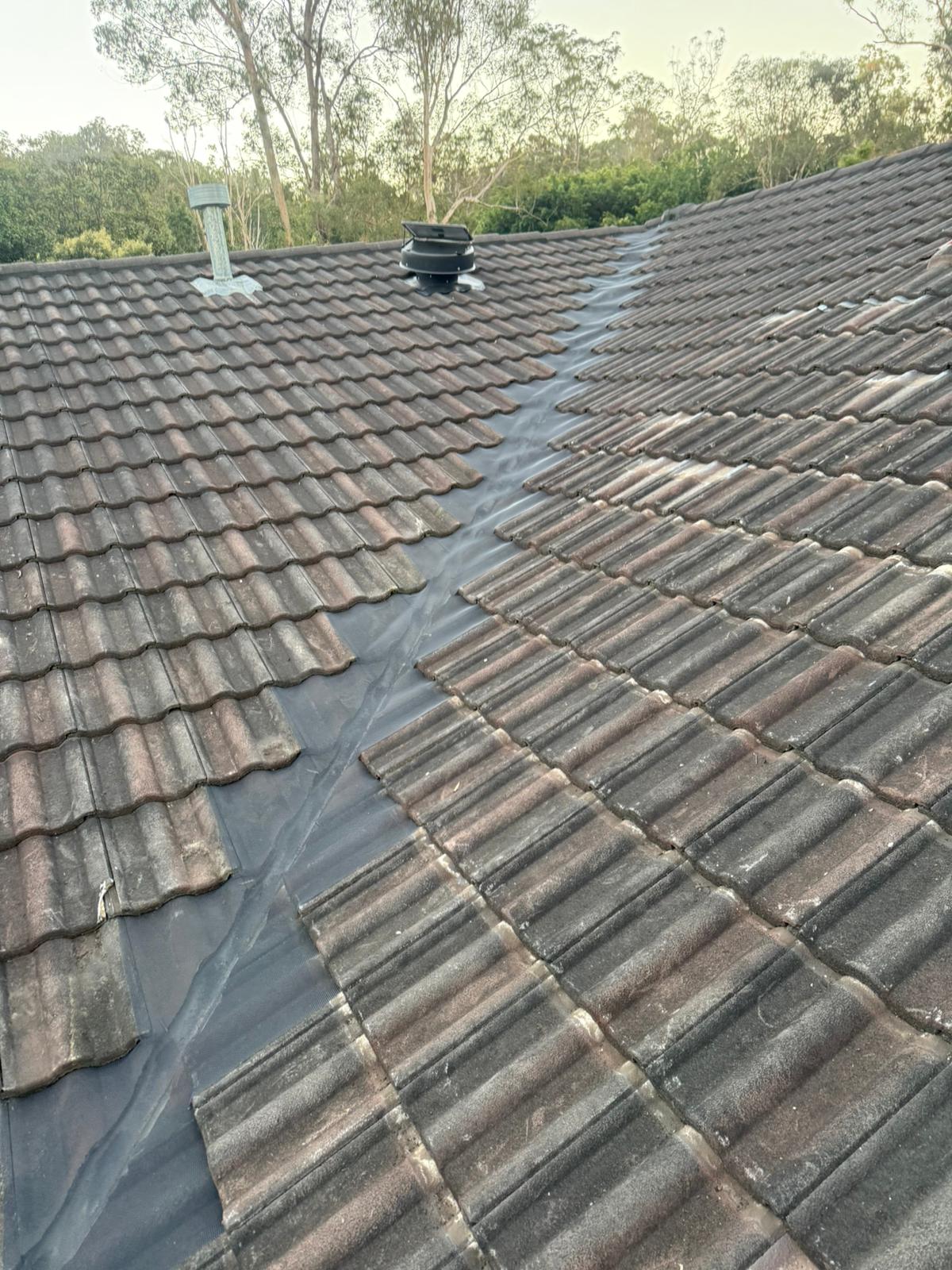
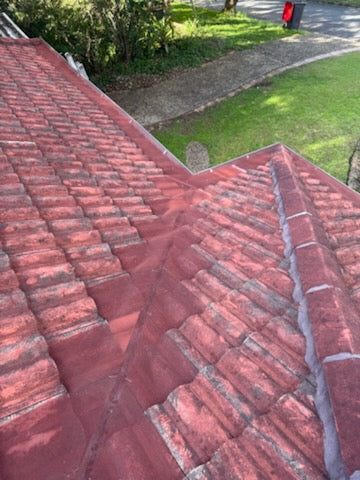
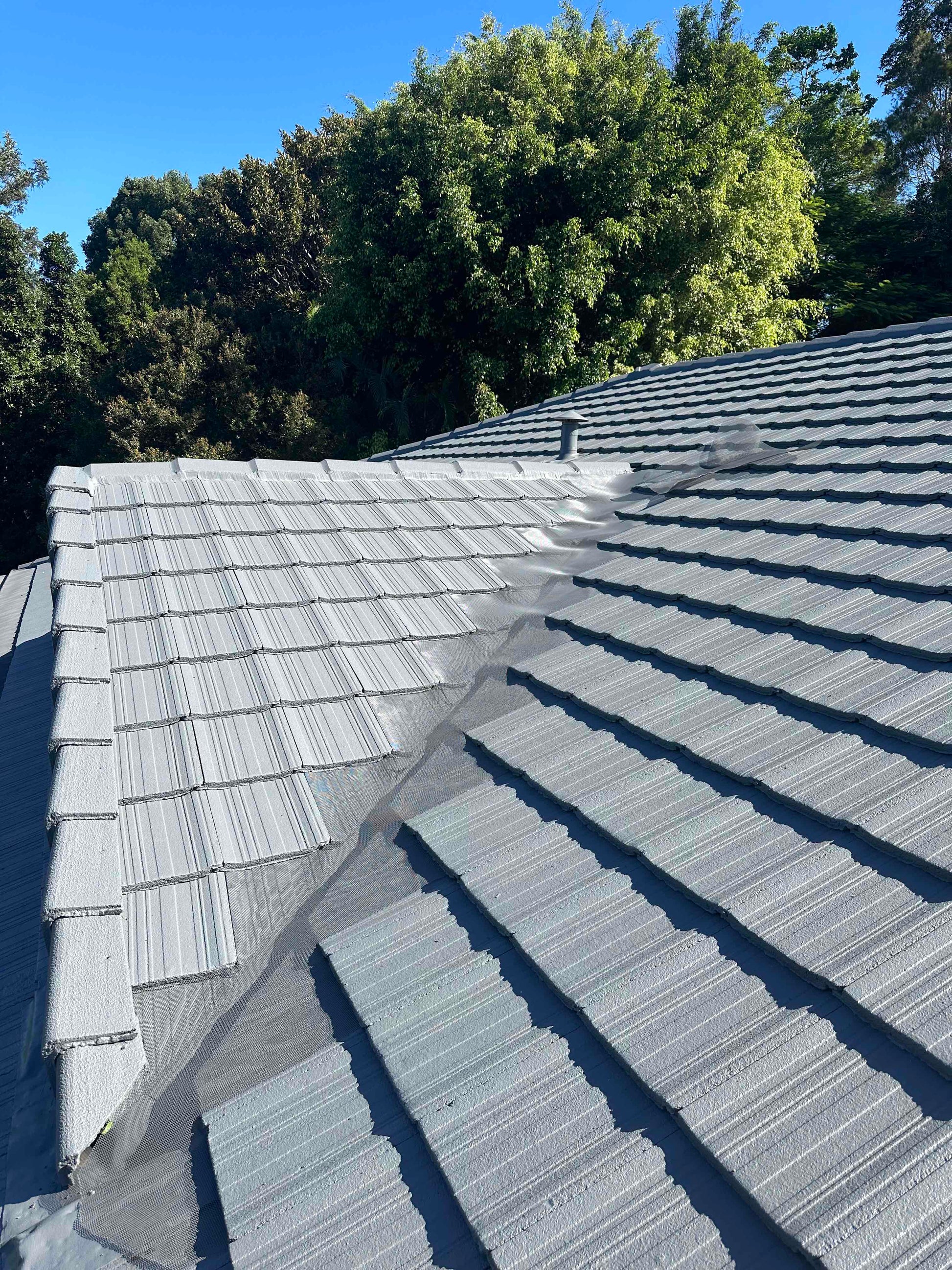
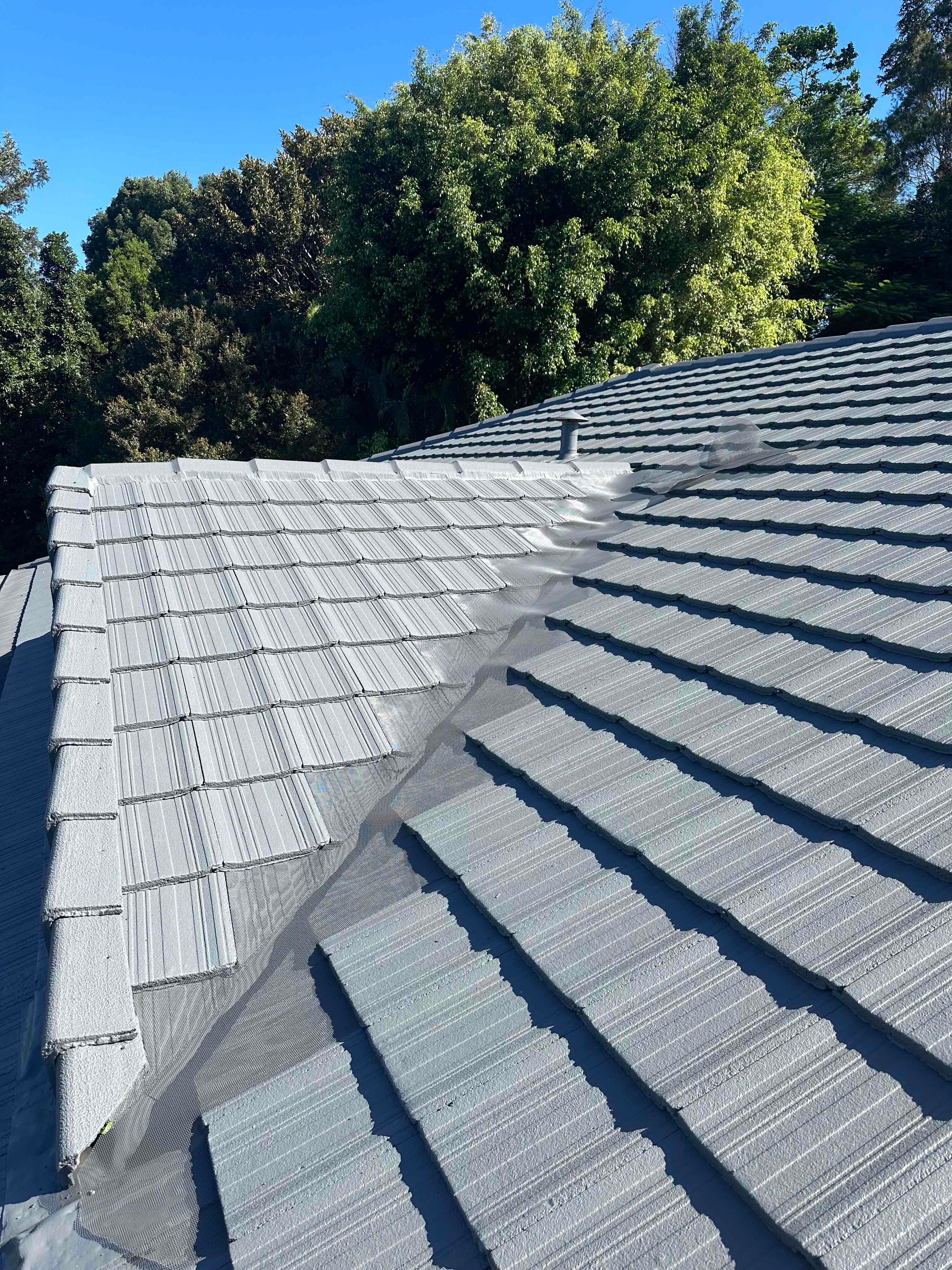
Tile valleys are the most challenging install to get looking clean, so take your time — installation videos are coming to the website soon. Lay the mesh down the valley, then on each side cut it in a zig-zag of vertical and horizontal cuts, leaving enough mesh on the high side of each tile to tuck under. Work down each side and fully cut, lift and tuck each tile before moving to the next — if you make all the cuts first, tucking pulls the mesh and throws off every remaining cut, usually costing you a fresh roll. Keep your vertical cuts on the lines where two tiles meet, as lifting one tile naturally lifts the next.
Is this kit actually fire rated, and to what level?
Yes. The Ember Guard mesh is non-combustible aluminium, CSIRO tested and AS 3959-2018 compliant, suitable across BAL ratings for ember protection. We won't quote you a specific BAL number for your site, because that's determined by your bushfire attack level assessment, not the mesh alone.
Will this stop my tile valleys from filling with embers and debris?
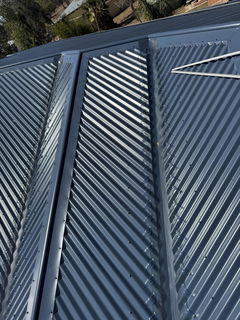
That's exactly what this 750mm valley kit is designed for. The wider valley profile shields the open run where tile roofs funnel the most leaf litter and ember fall, and the 2mm aperture keeps embers and fine matter from settling in. Honestly though, gutter guard minimises buildup, it doesn't eliminate it; very fine seeds, blossom and pine needles can still sit on top and want an occasional brush off.
What comes in the kit and how is it sold?
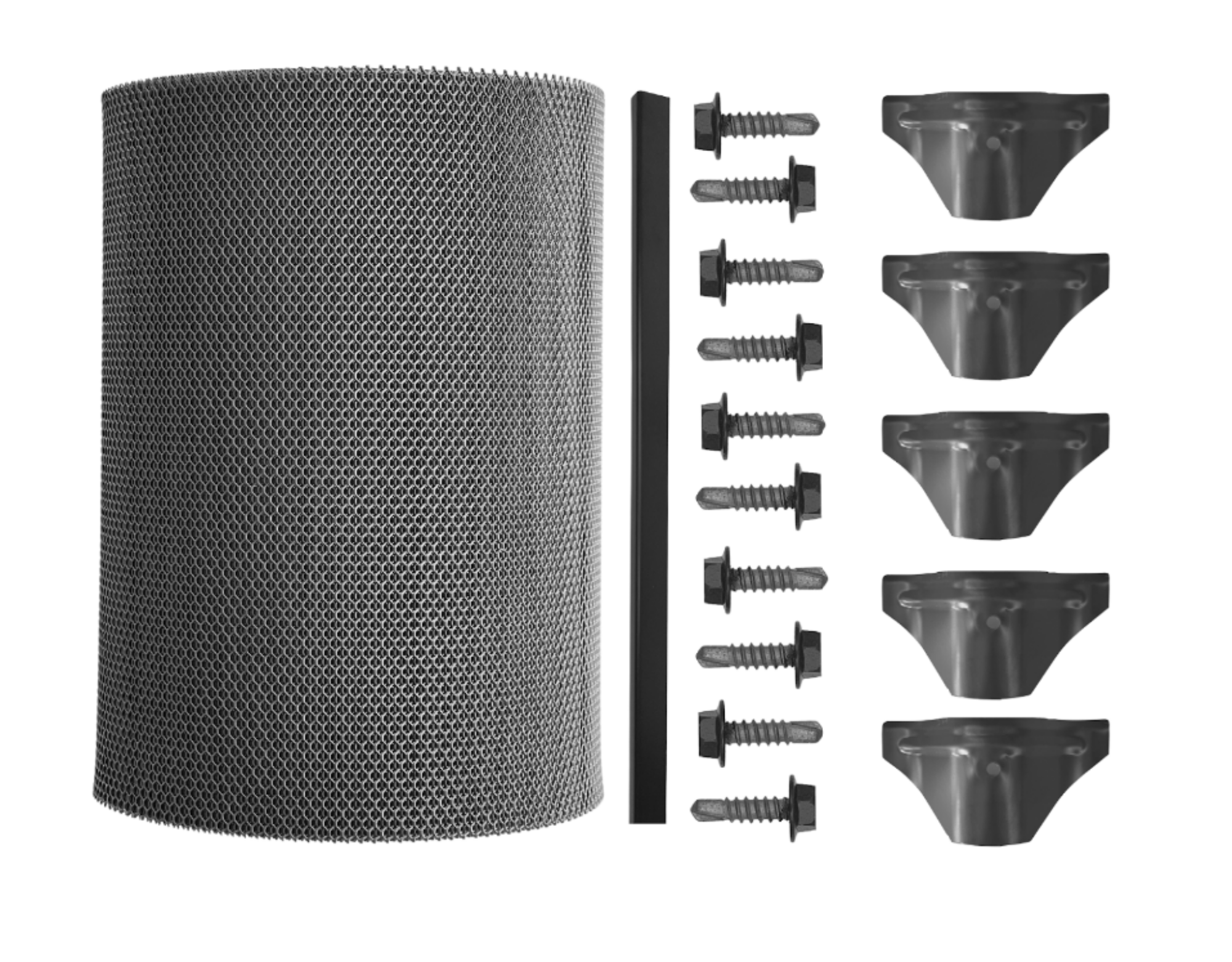
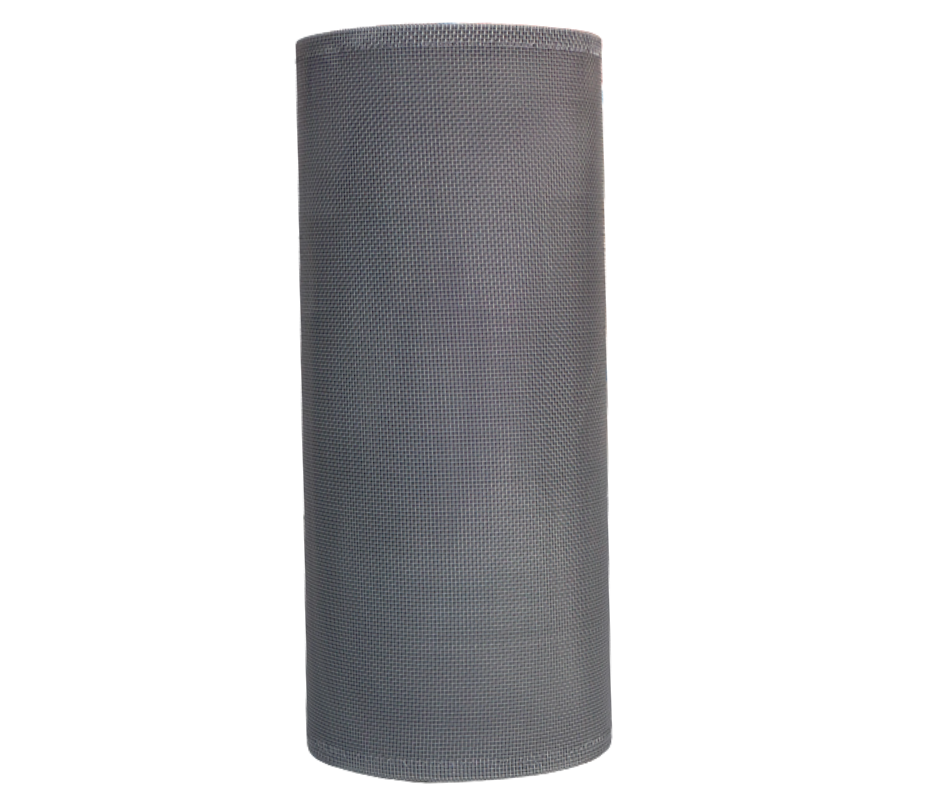
Ember Guard valley kits are sold in 10-metre (10m) increments, not per metre, with the mesh plus fixings to suit a tile valley. If you've got an unusual roof or box gutters, call us on 1300 156 197 and we'll build a custom kit; we can also cut custom widths for a small $25-per-roll cut fee.
What colours can I get?
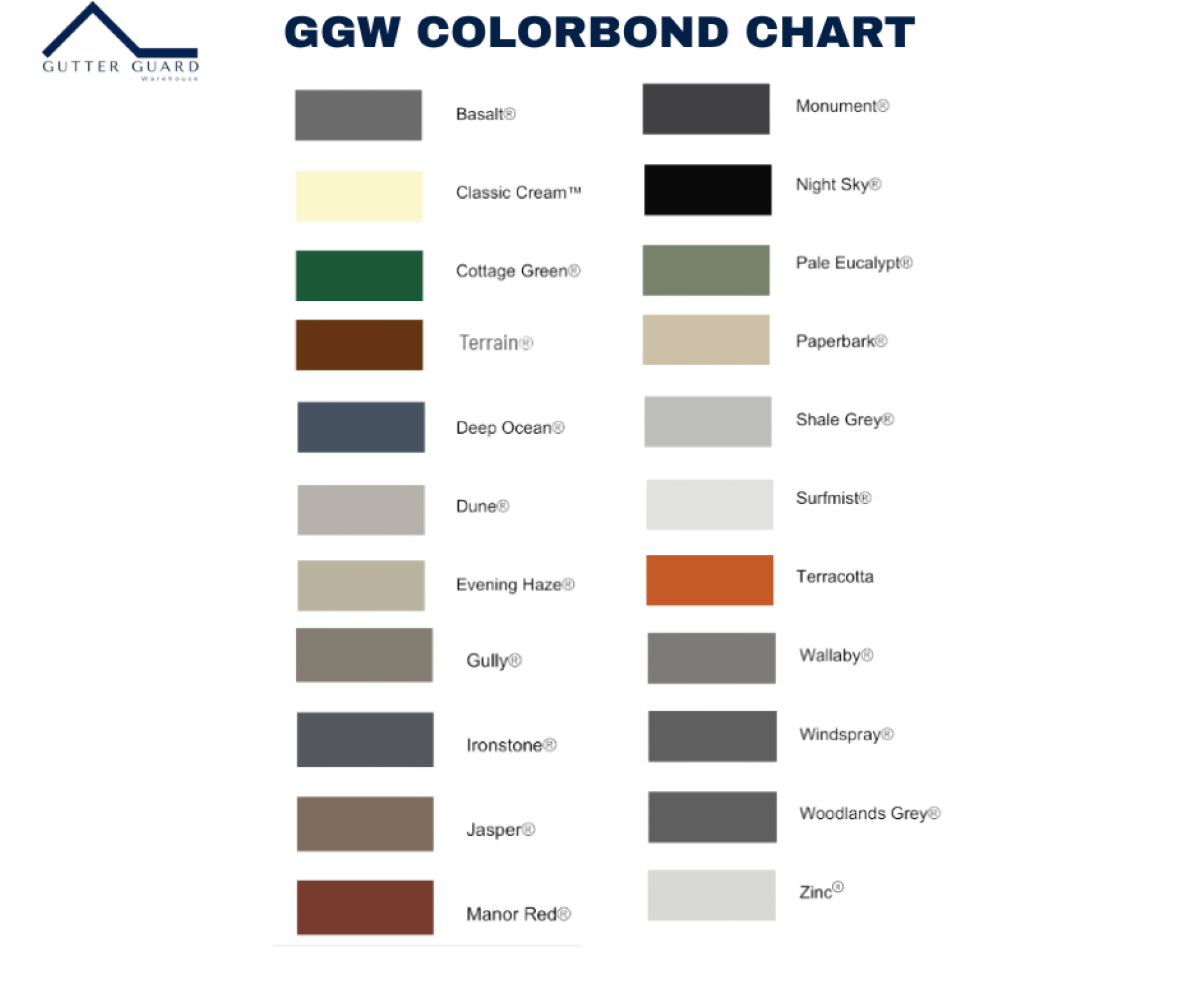
Our full Colorbond-matched range is available, bar a few discontinued colours the steel suppliers no longer offer. The steel components come from leading Australian suppliers including BlueScope®, so the colour holds up: cheap overseas imports can look fine out of the box but fade fast and their screw coatings can go rusty-red, whereas our local steel and premium powder coating are salt-spray tested 1000+ hours for coastal durability.
How does the 20-year warranty work?
The 20-Year Industry-Leading Warranty covers degradation of the material itself: the mesh and coating breaking down or fading. To be upfront, it doesn't cover damage from falling branches, hail or neglect; gutter guard is about minimisation, not a permanent no-maintenance fix.
Is this a DIY install?
Yes, the kits are designed for DIY. Follow our installation guides, secure your ladder, use a harness and take your time. If you've got a tricky valley or box gutter and want a hand spec'ing the kit, call us on 1300 156 197.
What's shipping like?
Free over $500, or a flat $20 under $500, dispatched from our Gold Coast warehouse. We aim for same or next business day depending on stock, with most metro deliveries landing in 1-7 days.
How do I know if my tiles have storm clips?
It depends on your roof's wind rating. Under the Australian tile-fixing standard (AS 2050) and the National Construction Code, the higher the wind classification the more tiles are mechanically clipped — so coastal, elevated and cyclone-prone roofs (including Queensland) are far more likely to have storm clips, while many inland suburban roofs have few or none. We've installed across these conditions, so our tip is simple: before you start, lift a few tiles along the gutter line and check. If they're clipped, release the clips first — it's much harder once the mesh is laid. In Queensland, two chisels work well: one to lift the tile, one to release the clip. (General guidance — your roof's fixing depends on when and where it was built.)